|
|
|
|
Weekly Insights for Entrepreneurs
|
|
|
|
|
| Year: 2026-27 |
Tuesday 24th February, 2026 |
Volume/Issue: 116 |
|
|
|
|
- India–Brazil MoU: New platform to deepen MSME cooperation and green-transition support
|
- AI for Manufacturing MSMEs: Govt launches AI adoption readiness study at India AI Impact Summit 2026
|
- SBI & Startups: Bank investing in startup-focused funds to strengthen MSME ecosystem
|
- PM Modi with AI Founders: Roundtable with 16 AI startup CEOs
|
- Sarvam AI Launches New LLMs: Two “next-gen” models focused on speed and reasoning
|
- India’s AI-for-Impact Map: 110 AI startups profiled in first structured ecosystem repository
|
- ePlane–Nvidia Partnership: Digital twin + onboard compute to build India’s first electric air taxi
|
- Deeptech Accelerators: Why VCs are launching deeptech programmes
|
|
| |
|
|
- Modi’s AI Growth Pitch: “Design and develop in India, deliver to the world”
|
- RBI’s Final ECB Framework: Easier on-lending/current a/c rules with end-use guardrails
|
- $200B AI Investment Projection: Govt push on compute, models, talent and applications
|
- Pax Silica Declaration: India joins US initiative on AI, supply chains and critical minerals
|
- RBI MPC: “Goldilocks zone” expected to continue; what it signals for costs and demand
|
- Bharat-VISTAAR Launch: AI tool for farmers via phone call—schemes, prices, advice and alerts
|
- AI-Based Credit Scores: Govt explores alternative-data scoring to expand formal finance access
|
- States’ Fiscal Tightening: FY27 deficit seen around 3% of GDP; pressures and implications
|
- New GDP Series Update: More granular consumption categories planned
|
- Export Promotion Mission: ₹25,060-crore, seven-point plan to boost exports
|
|
| |
|
|
- Gaganyaan Safety Milestone: DRDO qualifies drogue parachute in load test
|
- CSIR–NIIST Lab-to-Market: 11 technologies transferred across food, materials and sustainability
|
- Agnikul Cosmos Propulsion First: Private clustered semi-cryogenic engine firing milestone
|
- IISER Pune 2D Semiconductor: Ultra-thin flexible electronic devices using Bi₂O₂Se nanosheets
|
- IIT Madras ‘ThinnAI’: AI-enabled personalised driver readiness and pre-licensing trainer
|
- IIT Bombay BharatGen: 17B-parameter sovereign multilingual foundation model unveiled
|
- IIT Ropar’s Annam.ai: AI for agriculture—weather stations, multilingual farmer support and digital twins
|
- IIT Indore at AI Summit: Portfolio showcase across healthcare, agriculture and smart infrastructure
|
- Portable AI Lung Cancer Screening: Device co-developed with IIT Kanpur incubated startup + hospital trials
|
- ‘Unnati’ Hydroponics Model Farm: AI + IoT precision farming template for climate resilience
|
- AI-Driven Battery Management: IIT Roorkee and MaxVolt to build BMS for EVs and energy storage
|
|
| |
|
|
|
|
|
|
India and Brazil signed a Memorandum of Understanding to deepen cooperation on micro, small and medium enterprises, exchanged in New Delhi in the presence of Prime Minister Narendra Modi and Brazil’s President Luiz Inácio Lula da Silva.
The agreement creates a formal platform for both sides to discuss MSME priorities and identify collaboration opportunities, including learning each other’s policies, technologies and market strengths.
A key emphasis is enabling MSMEs to participate in the green transition, including access to green finance and better integration into global markets and value chains—meant to lift productivity and competitiveness for small businesses looking to export or partner cross-border.
|
|
|
|
|
|
|
|
|
A government-backed study on AI readiness in manufacturing MSMEs was launched at the India AI Impact Summit 2026, under the aegis of MeitY and the IndiaAI Mission.
Compiled by the National Institute of Smart Governance and Athena Infonomics, the research will cover 350+ manufacturing units, capturing inputs from shopfloor teams through senior management.
The study aims to produce a practical roadmap for AI adoption across sectors such as textiles, pharmaceuticals (including medical devices) and electronics. Its recommendations are expected to guide targeted interventions that improve productivity and unit economics, strengthen export competitiveness, and support employment generation—useful signals for MSME owners planning automation, quality control or demand forecasting upgrades.
|
|
|
|
|
|
|
|
|
State Bank of India says it is investing directly in startup-focused funds and financial market infrastructure as part of a broader MSME strategy, according to managing director Ravi Ranjan.
Ranjan said SBI is using equity participation and initiatives such as Startup India, alongside focus on startup-intensive branches and business centers.
The message for MSMEs is that mainstream lenders are backing the fintech and platform layer that can expand credit reach and speed up digital transformation. For startups, this suggests more partnership openings in lending tech, supply-chain finance and compliance infrastructure—but business models will need bank-grade risk controls, integration readiness and clear unit economics to convert strategic interest into contracts.
|
|
|
|
|
|
|
|
|
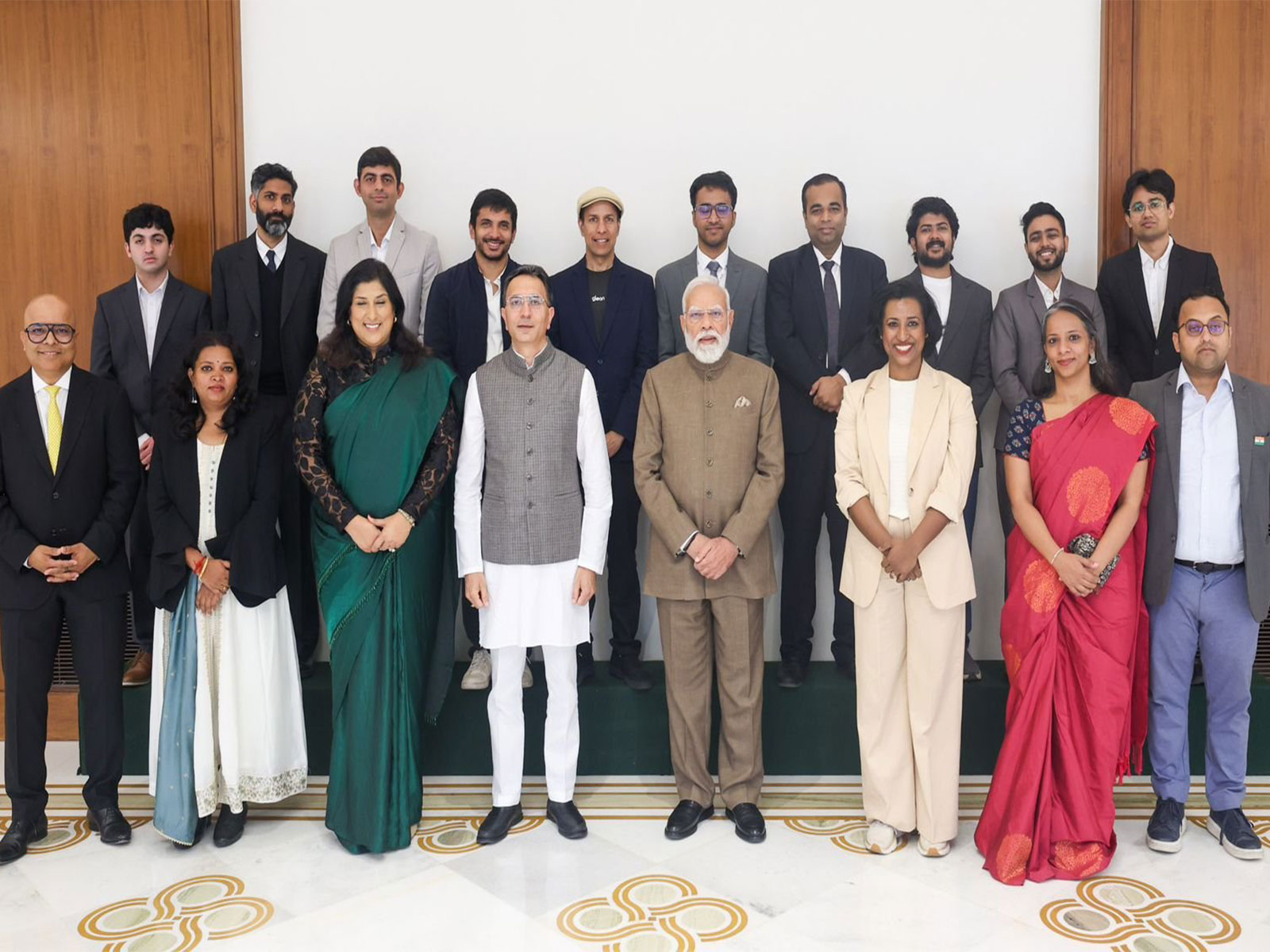
Prime Minister Narendra Modi chaired a roundtable with 16 CEOs from AI and deeptech startups alongside the India AI Impact Summit, with discussions centred on strengthening India’s innovation ecosystem.
According to reports, the agenda covered access to capital, R&D support, skilling and pathways to scale globally from India, with an emphasis on building responsible and inclusive AI for sectors such as healthcare, agriculture, education and governance.
Modi also held seven bilateral meetings, including with leaders from Liechtenstein, Slovakia, Sri Lanka and Mauritius, and met top tech executives. Separate briefings noted engagements with Qualcomm on semiconductors and startup collaboration, and with OpenAI around an ‘OpenAI for India’ initiative with Tata and India-based data-centre capacity—signals of deeper global partnerships for founders.
|
|
|
|
|
|
|
|
|
Bengaluru-based Sarvam AI has launched two large language models—Sarvam-30B and Sarvam-105B—aimed at enterprise deployment and “sovereign” AI infrastructure built in India.
Sarvam-30B is positioned for real-time conversational use, offering a 32,000-token context window and low-latency inference suited for interactive applications, AI agents and other responsiveness-sensitive workflows.
Sarvam-105B targets heavier reasoning and analytical tasks with a 128,000-token context window for multi-step problem solving, long-form analysis, coding assistance and research use cases. Both models use a mixture-of-experts approach to balance performance and efficiency. For startups and MSMEs, the launch expands local options for customer support automation and knowledge tools—while keeping data governance and cost control central to rollout plans.
|
|
|
|
|
|
|
|
|
IndiaAI and Kalpa Impact have released ‘India’s AI Impact Startups’, profiling 110 startups and non-profits using AI for population-scale social and economic outcomes, unveiled at the India AI Impact Summit 2026.
The repository maps solutions across healthcare, agriculture, education, climate, financial inclusion, urban mobility and public service delivery, positioning itself as the first structured view of India’s AI-for-impact landscape.
The compilation highlights growth in voice AI and vernacular interfaces aimed at underserved users, alongside increased investment in Made-in-India foundation models. For MSME owners and founders, it is a discovery list for partners, pilots and procurement—especially for last-mile service delivery, credit, agri advisories and compliance. It also gives investors and buyers a benchmark for what is “integration-ready” versus still experimental.
|
|
|
|
|
|
|
|
|
IIT Madras–incubated The ePlane Company has partnered with Nvidia to accelerate development of India’s first electric air taxi, the e200x, positioning the startup in the fast-evolving urban air mobility market.
The collaboration is technical rather than financial: ePlane will use Nvidia Omniverse libraries to build a high-fidelity digital twin, stress-testing flight physics, autonomy algorithms, sensor fusion and mission scenarios in simulation instead of costly real-world trials.
ePlane also plans to deploy Nvidia’s IGX platform as onboard computing for mission-critical applications, improving real-time processing and autonomy while supporting validation and certification. For suppliers and startups, the deal underscores how digital engineering can shorten product cycles, reduce safety risk, and attract partnerships without immediate equity funding.
|
|
|
|
|
|
|
|
|
Venture capital is increasingly turning to deeptech accelerators in India, with funds such as Accel and Lightspeed launching programmes, and the India Deeptech Alliance partnering the University of Chicago for a 10-week track for IIT-linked early-stage startups.
Mint notes investor confidence is rising as R&D-heavy firms hit commercial milestones—examples cited include Aequs going public, Sedemac’s IPO approval, and planned commercial launches by Agnikul Cosmos and Skyroot Aerospace, alongside Pixxel’s satellite deployments.
Unlike conventional accelerators, deeptech programmes prioritise technical validation and milestone tracking, reflecting higher patient-capital needs and longer timelines before monetisation. For founders, that means fundraising will hinge on measurable breakthroughs, credible pilots and defensible IP—so plan lab access, certification paths and burn rate accordingly.
|
|
|
|
|
|
|
|
|
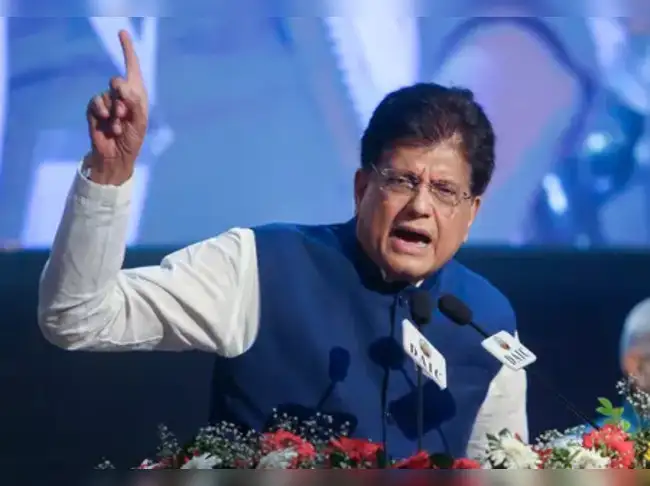
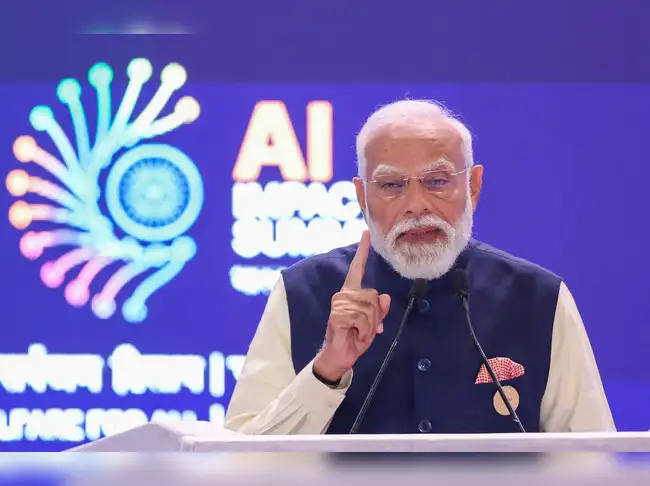
Prime Minister Narendra Modi used the Delhi AI summit to pitch India as a hub to “design and develop” artificial intelligence at home and “deliver to the world”. The message links digital public infrastructure to a technology-led growth strategy.
Modi said India’s demographics, diversity and democratic framework support resilient AI solutions, and urged industry to build inclusive, low-cost applications. The emphasis signals policy backing for local R&D, data ecosystems and deployment across sectors.
For the economy, the goal is moving up the value chain—from adoption to product creation. If matched by compute, skills and predictable regulation, it can lift productivity and exports. If not, ambition could outpace capacity and keep firms reliant on imported models and hardware.
|
|
|
|
|
|
|
|
|
The Reserve Bank of India has issued its final external commercial borrowing (ECB) framework, easing select operational rules while keeping guardrails on speculative uses. It relaxed some on-lending and account-related conditions for authorised dealer banks to streamline execution for borrowers and lenders.
At the same time, the regulator clarified end-use restrictions, including limits around land and immovable property, and it did not accept proposals that could channel ECB funds into real-estate business on-lending. The changes aim to reduce compliance friction without diluting risk controls.
For the wider economy, simpler overseas borrowing norms can lower funding costs and widen access to foreign capital, supporting investment. But tighter end-use clarity signals continued focus on financial stability and curbing leverage-led asset risks.
|
|
|
|
|
|
|
|
|
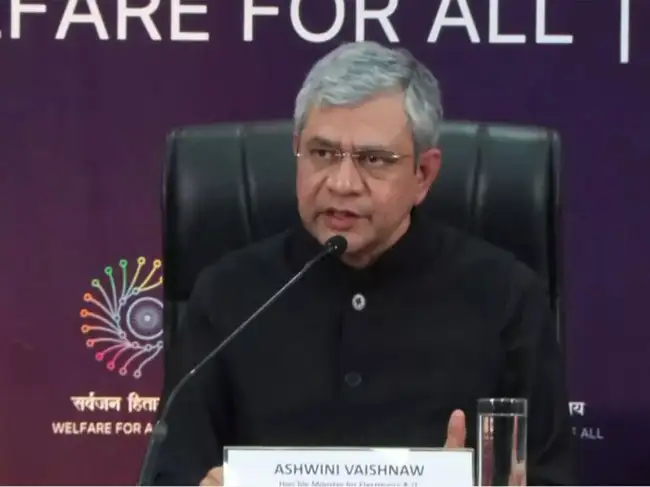
The government is projecting acceleration in India’s artificial intelligence build-out, with Union minister Ashwini Vaishnaw estimating $200 billion of AI investment over the next two years. The push spans the “AI stack”, from compute and models to applications and talent.
A near-term focus is computing capacity. Vaishnaw said India will add 20,000 GPUs within a week on top of 38,000 already onboarded, aiming to ease a bottleneck for training and deploying AI systems and to crowd in private capital.
For the economy, faster AI infrastructure can lift productivity and create jobs, while driving demand for data centres, power, and services. The payoff will hinge on energy costs, skills, and stable rules for data use and AI safety.
|
|
|
|
|
|
|
|
|
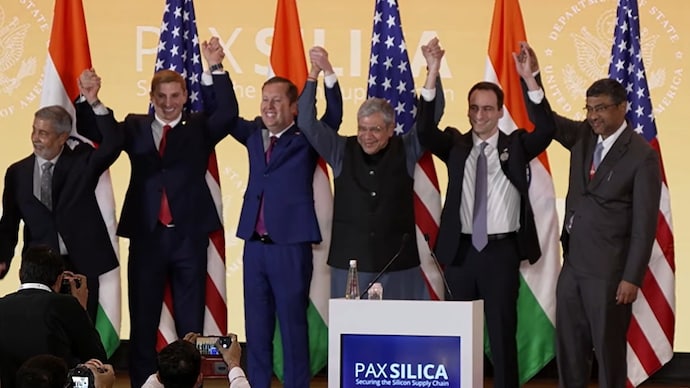
India has signed the Pax Silica declaration, joining a U.S.-led initiative focused on artificial intelligence, technology supply chains and critical minerals. The move is framed as building resilient, trusted value chains amid intensifying geopolitical competition.
Alongside the declaration, India and the U.S. announced a bilateral “AI Opportunity Partnership” as an addendum. For India, participation signals a bid to attract investment, diversify sourcing of critical inputs and accelerate domestic capability in AI-linked manufacturing and materials.
For the economy, the upside is greater certainty for long-horizon capital in electronics, data infrastructure and advanced manufacturing, supporting productivity and export potential. The impact will hinge on follow-through—clear rules, faster clearances and steady trade policy—so firms can commit at scale.
|
|
|
|
|
|
|
|
|
The Reserve Bank of India’s Monetary Policy Committee has kept rates unchanged, signalling confidence that the economy remains in a “goldilocks” zone of steady growth and manageable inflation. The decision reflects a wait-and-watch approach.
By holding policy settings steady, the MPC is balancing inflation control with the need to avoid an unnecessary drag on activity. The tone suggests disinflation has created room, but global uncertainty still argues for caution before any move.
For the economy, a status quo improves visibility on borrowing costs for households and firms, supporting consumption and investment planning. It can also limit volatility in bond yields and the rupee. The next move will hinge on inflation readings, credit trends and evidence that private capex is strengthening
|
|
|
|
|
|
|
|
|
The agriculture ministry has launched Bharat-VISTAAR, an AI-powered, multilingual service meant to help farmers get guidance through a simple phone call or mobile interface. The goal is to widen access where smartphones, literacy, or connectivity are constraints.
Bharat-VISTAAR is positioned as a single gateway for scheme information, weather alerts, market prices, crop advice and grievance support in local languages. By linking digital agriculture systems, the government wants to shorten the time between a farm problem and actionable information.
For the economy, better farm decisions can lift productivity, reduce crop losses and steady food supply chains—key to containing food inflation. Wider use could also strengthen data trails in agriculture, improving credit assessment and targeting public support.
|
|
|
|
|
|
|
|
|
The Centre is exploring AI-based credit scoring to widen access to formal finance, especially for women, first-time borrowers and underserved households. The approach would complement traditional bureau histories with alternative data where formal records are thin.
Officials are also examining UPI-linked credit lines and automated assessments to reduce paperwork and speed approvals. Data-driven underwriting could help lenders reach more customers at lower cost, though model risk, bias and fraud controls will need close supervision.
For the economy, broader credit inclusion can support consumption smoothing, MSME expansion and higher labour participation. The trade-off is safeguarding stability: regulators and lenders must ensure privacy, transparency and prudent provisioning so faster credit does not turn into mispriced risk.
|
|
|
|
|
|
|
|
|
India’s state governments are expected to face tighter fiscal math by FY27, with India Ratings projecting the consolidated fiscal deficit at about 3% of GDP. Spending pressures are likely to outweigh recent consolidation.
The agency also sees the revenue deficit widening, reflecting pre-poll transfers and higher committed expenditure. It warned that borrowing linked to performance and climate initiatives could lift the headline deficit towards 3.5% of GDP, even if many states target recommended caps.
For the economy, higher state deficits can support near-term demand if funds flow to capex and essential services, but they may also crowd out private credit and raise yields. Medium-term resilience will depend on better spending quality, faster project execution and stronger own-tax revenues.
|
|
|
|
|
|
|
|
|
India’s statistical system is preparing changes to the next GDP series that could add more granular categories to track household consumption. The proposed shift would reclassify items to better reflect how households actually spend.
The revamp is expected to align India’s taxonomy with the UN’s COICOP 2018 standard and to use recent household consumption survey benchmarks for private final consumption expenditure. More detail can improve deflators and reduce distortions in measuring real growth across consumption components.
For the economy, better measurement strengthens policy targeting, improves inflation-adjusted GDP estimates and helps markets read demand trends. But any series change can create breaks in time series, so transparent back-casting and clear communication will be crucial for credibility.
|
|
|
|
|
|
|
|
|
The government has launched a ₹25,060-crore Export Promotion Mission with a seven-point plan aimed at widening India’s exporter base and easing bottlenecks, especially for MSMEs. The measures target costs and competitiveness as global demand stays uncertain.
The package includes credit support for digital exporters, working capital via export factoring, help entering higher-risk markets, compliance and certification support, overseas logistics and warehousing, support for remote regions, and trade intelligence. The intent is to reduce frictions that disproportionately hit smaller firms.
For the economy, stronger exports can offset softness in domestic demand and support the current account, while encouraging scale-up in manufacturing and services. Results will depend on execution speed, coordination with states, and complementary reforms in trade finance and logistics.
|
|
|
|
|
|
|
|
|
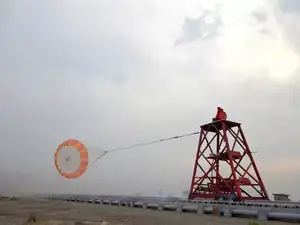
India’s human spaceflight programme achieved a safety milestone with the successful qualification-level load test of the Gaganyaan drogue parachute at Chandigarh.
The trial was executed at the Rail Track Rocket Sled facility of DRDO’s Terminal Ballistics Research Laboratory, a specialised dynamic setup used for high-speed aerodynamic and ballistic evaluations. Teams from ISRO’s Vikram Sarabhai Space Centre and DRDO’s Aerial Delivery R&D Establishment participated, using sled-based instrumentation to verify parachute strength and behaviour under severe transient loads.
With the drogue stage verified, the programme can progress to end-to-end descent system verification, reducing uncertainty before integrated drop tests and crewed mission timelines advance.
|
|
|
|
|
|
|
|
|
CSIR–NIIST has executed a major lab-to-market push by transferring 11 technologies and signing an MoU at its “Tech Connect: Lab to Market” event in New Delhi, signalling a stronger focus on translational R&D.
The package spans food, materials and sustainable manufacturing, including high-protein low-glycaemic rice enriched with iron, folic acid and vitamin B12, an instant coffee foam formulation stable at high temperatures without milk, and a low-sodium salt technology aimed at cardiovascular health. Additional transfers cover bio-based polyurethane dispersions, food processing methods, composting media and vegan leather.
CSIR leadership positioned the initiative as a shift from “R&D” to “R&D innovation,” emphasising validation, scalability and industry partnerships to accelerate commercial deployment.
|
|
|
|
|
|
|
|
|
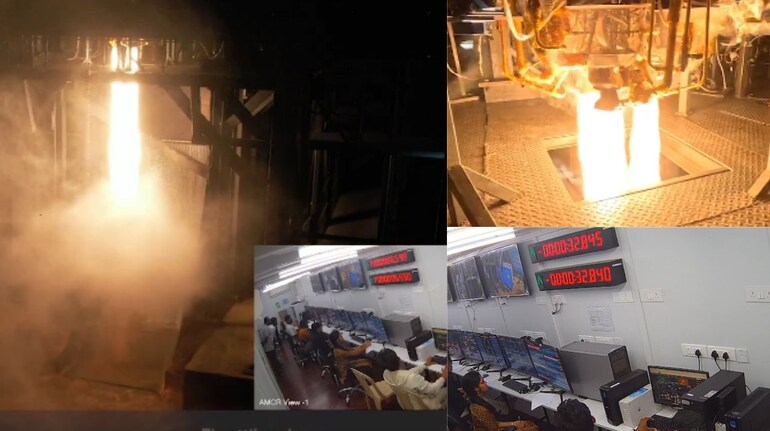
Agnikul Cosmos has reported India’s first clustered semi-cryogenic engine firing by a private firm, test-firing three engines simultaneously as a single propulsion unit for higher-lift capability.
Unlike single-engine hot-fires, a cluster test validates synchronised ignition, thrust balance and control stability. The company said each engine is 3D-printed as a single-piece hardware unit, reducing assembly complexity. Cluster operation required calibration of six pumps driven by six electric motors, with speed-control algorithms used to keep all engines aligned through ignition and steady-state firing.
The milestone strengthens confidence in indigenous propulsion and advanced manufacturing, supporting commercial launch roadmaps enabled by ISRO and IN-SPACe oversight and testing pathways.
|
|
|
|
|
|
|
|
|
IISER Pune researchers have demonstrated ultra-thin, flexible electronic devices built from a novel two-dimensional semiconductor, pointing to a pathway for foldable and wearable electronics beyond conventional silicon limits.
The work uses atomically thin bismuth oxyselenide (Bi₂O₂Se) nanosheets and reports a scalable growth method that maintains structural stability and mechanical strength, addressing barriers to practical 2D materials. Using the nanosheets, the team fabricated microscopic devices roughly one-thousandth the diameter of a human hair and built them on a flexible Kapton substrate widely used in bendable circuits. The results were reported in the journal Small.
If the process scales, Bi₂O₂Se-based devices could support higher-performance flexible components for smartphones, smart fabrics and health-monitoring wearables, with follow-on work focused on manufacturability and reliability.
|
|
|
|
|
|
|
|
|
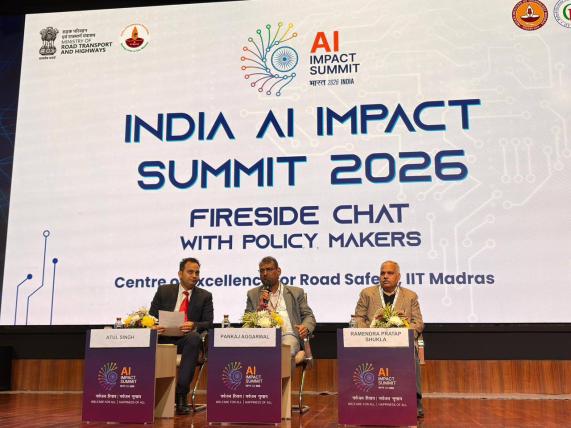
IIT Madras’ Centre of Excellence for Road Safety has launched ‘ThinnAI’, an AI-enabled personalised trainer aimed at improving driver readiness and strengthening pre-licensing education.
ThinnAI delivers multi-level, video game-like tests with zero human intervention to assess knowledge of traffic signs and road rules, motor-vehicle concepts, and cognitive and physical readiness. The platform uses adaptive learning and behavioural-science cues to build judgement and safer habits, positioning training as more than test prep. It was showcased alongside CoERS’ ‘RATH’ data-driven governance platform for road-safety stakeholders and citizens.
Introduced at the India AI Impact Summit 2026, the system signals a shift toward standardised driver evaluation that could scale nationally and help reduce crash risk as licensing volumes grow.
|
|
|
|
|
|
|
|
|
IIT Bombay’s BharatGen consortium has unveiled “Param2 17B MoE,” a 17-billion-parameter sovereign multilingual foundation model designed to accelerate India-centric generative AI applications.
Param2 17B uses a Mixture-of-Experts architecture optimised for multiple Indic languages and targeted use cases in governance, education, healthcare, agriculture and enterprise. BharatGen said its training pipeline was built with NVIDIA infrastructure and NeMo libraries (including NeMo-RL), with Slurm workloads integrated through NVIDIA Base Command Manager for scalable training and post-training runs.
Strategically, the project is positioned to reduce dependence on foreign foundation models. BharatGen plans to release the model, documentation and post-training workflows via a Hugging Face repository to enable ecosystem fine-tuning and deployment.
|
|
|
|
|
|
|
|
|
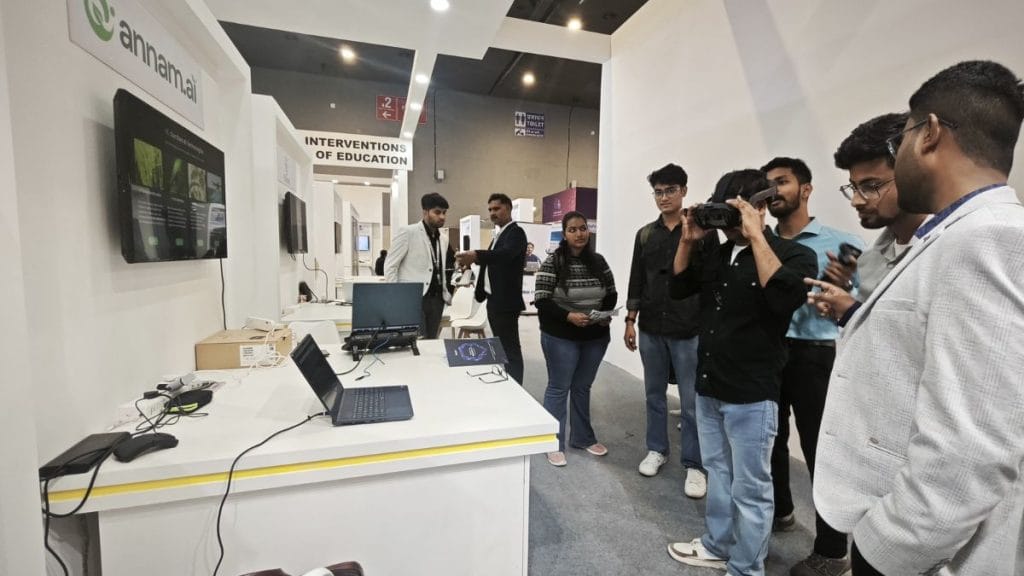
IIT Ropar is scaling agricultural AI through Annam.ai, positioning the institute as a national centre for farm-focused innovation under the “Make AI in India, Make AI Work for India” programme.
The portfolio combines sensing, forecasting and advisory tools. Annam.ai representatives said the group has deployed more than 4,000 AI-enabled weather stations to deliver hyperlocal forecasts. It is also developing a multilingual chat engine for farmer support that can answer queries on practices, soil testing, weather and market prices, and a digital-twin approach for modelling crop behaviour and interventions.
By coupling these systems with skills development such as a BTech in Digital Agriculture launched in 2025, IIT Ropar aims to modernise workflows, improve productivity and attract younger talent to the sector.
|
|
|
|
|
|
|
|
|
The ePlane Company has announced a technical collaboration with Nvidia to develop India’s first electric air taxi, the e200x, targeting urban air mobility.
The partnership centres on building a high-fidelity “digital twin” using Nvidia Omniverse libraries. The virtual aircraft is intended to stress-test flight physics, autonomy algorithms, sensor fusion and complex mission or emergency scenarios thousands of times in simulation—reducing the cost and risk of reproducing edge cases through real flight trials. The company said the arrangement is a knowledge and engineering collaboration rather than a financial investment.
By front-loading validation and certification evidence in simulation, ePlane aims to accelerate development timelines and de-risk regulatory pathways for an indigenous eVTOL platform.
|
|
|
|
|
|
|
|
|
IIT Indore presented a portfolio of AI-driven solutions at the India AI Impact Summit 2026, positioning its research for deployment across healthcare, agriculture and smart infrastructure.
At the institute’s stall, AgriHub highlighted precision-farming models intended to support data-driven decisions in cultivation and resource use. The IITI DRISHTI CPS Foundation showcased scalable digital healthcare systems aimed at extending access through connected platforms. IIT Indore said the showcase aligns with national priorities such as Manufacturing 4.0 and semiconductors, emphasising applied AI that can move from lab prototypes to field systems.
The institute framed the summit as a pathway to partnerships, signalling that its next phase will focus on interdisciplinary translation with industry and public-sector users rather than standalone demonstrations.
|
|
|
|
|
|
|
|
|
Kamala Nehru Memorial Hospital and IIT Kanpur–incubated Lenek Technologies have built a portable AI screening device aimed at earlier lung cancer detection beyond tertiary centres.
The device is positioned as a frontline screener to support faster triage and referrals. Hospital officials said it has already undergone trial runs with doctors at the Prayagraj-based centre, part of the National Cancer Grid, and is designed to complement existing imaging and laboratory services. Portability is intended for outreach camps and district facilities where specialist oncology access is limited.
The system was showcased at the International AI Impact Summit and received a certificate under the India AI–NCG CATCH Grant Challenge 2026. Next steps focus on expanded clinical validation and rollout pilots in underserved regions.
|
|
|
|
|
|
|
|
|
IIT Guwahati’s Technology Innovation Hub and Brio Hydroponics have inaugurated the ‘Unnati’ Model Farm at Brio’s 100-acre hydroponics park in Talod, Gujarat, positioning it as a climate-resilient template for precision agriculture.
The facility integrates AI with an IoT sensor stack to automate climate control and nutrient delivery in real time. Sensors track pH, electrical conductivity (EC) and key climate variables, while predictive models aim to optimise harvest cycles and flag disease risk early. The hydroponic setup reduces water use and removes soil dependency, improving consistency for high-value crops.
Brio says the model is built for commercial scale-up, with related units already deployed at CSIR–NBRI and the College of Agriculture–Meghalaya, and is being positioned for wider replication by agri-preneurs.
|
|
|
|
|
|
|
|
|
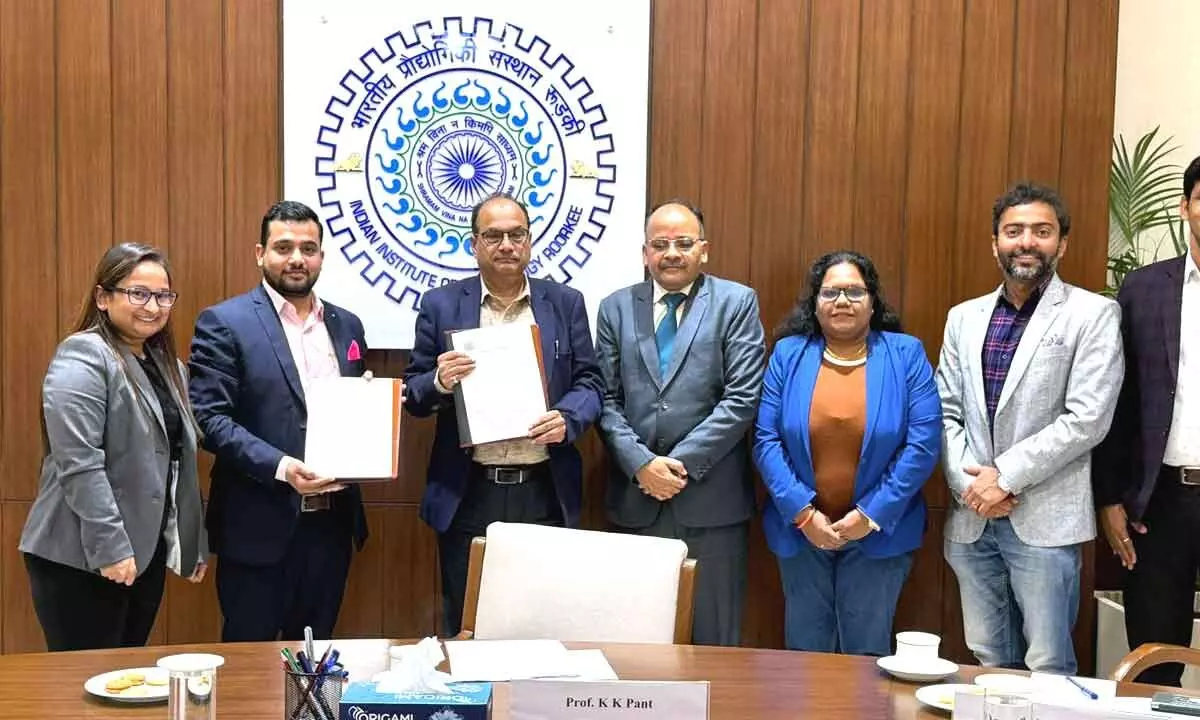
IIT Roorkee and MaxVolt Energy have signed an MoU to develop AI-driven battery management systems (BMS) for advanced energy storage and electric mobility, targeting higher safety and reliability for lithium-based packs.
The planned BMS platform will embed AI/ML to deliver real-time monitoring, predictive diagnostics and adaptive charging protocols, with enhanced thermal management for demanding conditions. The system is also expected to improve state-of-charge (SoC) and state-of-health (SoH) estimation and add predictive maintenance by modelling degradation and forecasting remaining useful life. Partners say this can guide whether a battery should be repurposed, refurbished or recycled.
The partnership aims to translate research into deployable BMS prototypes for EV and stationary storage applications, with validation work expected to follow the design phase.
|
|
|
|
|
 |
|
|
|
|
|
|
|
|
|
|
- Kindly add the email address masscomm@lubindia.com to your contact list or whitelist it for the newsletter.
|
|
|
|
|
|
|
|
|
|
|
|







)
)
)