|
|
|
|
Weekly Insights for Entrepreneurs
|
|
|
|
|
| Year: 2026-27 |
Tuesday 10th February, 2026 |
Volume/Issue: 114 |
|
|
|
|
● RBI doubles collateral-free MSME loan limit; proposes bank lending to REITs
|
● India–US trade deal seen as export boost for MSMEs, says CAIT
|
● India joins BRICS Centre for Industrial Competencies (BCIC) to support manufacturing MSMEs
|
● US trade framework protects sensitive sectors while opening zero-tariff lanes, says Piyush Goyal
|
● DFS: Strong MSME support & public capex can “crowd in” private investment
|
● India resets startup definition: turnover cap doubled; deep tech category added
|
● Sarvam AI: Homegrown model for India-first language, voice & OCR needs
|
● Startup demonstrates in-orbit imaging to track satellites & improve space security
|
● SAMRIDH scheme backs 373 startups; ₹93.75 crore disbursed via accelerators
|
|
| |
|
|
● PM Modi: Interim India–US trade agreement framework reflects deeper ties
|
● PM Modi in Malaysia: India & Malaysia renew pledges to boost trade and collaboration
|
● RBI MPC Meeting 2026–27: repo rate, GDP & inflation targets—key takeaways
|
● PSU banks’ profit set to cross ₹2 lakh crore in FY26, says DFS Secretary Nagaraju
|
● Corporate India's capital expenditure cycle shifts into top gear
|
● RBI’s new measures to make banking easier for Indians: what changes and why it matters
|
● TSMC fabricated seven chips (including 12nm) under Design-Linked Incentive (DLI)
|
● Biopharma Shakti: India targets China dependence amid the global patent cliff
|
● Govt to form panel to align tax & accounting rules and cut compliance burden
|
● LLP monthly registrations cross 10,000 mark for first time
|
● Government tightens tax framework for foreign digital entities
|
|
| |
|
|
● IIT-ISM Dhanbad students develop eco-friendly fuel by enriching coal-bed methane with hydrogen
|
● IIT Bombay develops method to recover T-cells for cancer therapies
|
● IIT Madras releases paediatric leukaemia, colorectal & pancreatic cancer genome database
|
● Amazon India and IIT Roorkee turn farm waste into green packaging to tackle stubble burning
|
● CSIR-CCMB experts identify why fungi turn harmful
|
● India joins elite missile club: DRDO ramjet (SFDR) technology explained
|
● ISRO working on reusable launch vehicle (RLV) technology
|
● Absolute grows lab-made “bio-leather,” targeting materials, agriculture & nutrition markets
|
● India Inc hiring more Indian Institutes of Technology (IITs) PhDs for high-stakes R&D
|
|
| |
|
|
|
|
|
|
To improve credit delivery, the RBI has proposed doubling the collateral-free loan limit for micro and small enterprises to ₹20 lakh, applicable for loans sanctioned or renewed from April 1, 2026.
In the same package, the central bank has proposed permitting bank lending to Real Estate Investment Trusts (REITs) under prudential safeguards, extending a facility earlier available for InvITs.
For MSMEs, the higher unsecured limit can ease funding for inventory, receivables and small expansions, especially for firms with limited asset collateral. Owners should reassess borrowing needs ahead of FY27, strengthen bookkeeping and GST-linked cash-flow visibility, and compare bank offers that bundle credit guarantees or faster renewals. Real-estate-linked businesses should also watch how REIT financing affects property demand and tenant ecosystems
|
|
|
|
|
|
|
|
|
Traders’ body CAIT says the interim India–United States trade framework could be a timely lift for MSMEs by improving market access and creating larger export opportunities in the world’s biggest consumer market.
CAIT expects benefits across labour-intensive sectors where small firms dominate—such as textiles and apparel, leather and footwear, gems and jewellery, handicrafts, and select engineering goods—helped by tariff rationalisation and smoother trade processes.
For business owners, the opportunity is to plug into new buyer networks and scale compliant production. Firms should review product-specific tariff changes, upgrade documentation and quality systems, and explore exporter partnerships or B2B marketplaces so they can capture orders quickly as the framework moves into detailed negotiations.
|
|
|
|
|
|
|
|
|
India has joined the BRICS Centre for Industrial Competencies (BCIC), a United Nations Industrial Development Organization-backed platform designed to provide integrated support services to manufacturing companies and MSMEs across BRICS economies.
The centre focuses on building Industry 4.0 capabilities—skills, diagnostics and productivity methods—so smaller firms can adopt advanced manufacturing practices and benchmark against global best practices.
For MSMEs, this could translate into easier access to training, toolkits and cross-border collaboration that improve shopfloor efficiency and quality. Owners should track upcoming programmes via the National Productivity Council and relevant industry bodies, and identify one priority use case—such as automation, energy efficiency or quality control—to convert support into measurable cost and throughput gains.
|
|
|
|
|
|
|
|
|
Commerce Minister Piyush Goyal said the India–US trade framework will not hurt farmers, MSMEs or artisans, and claimed India has kept key staples and sensitive commodities fully protected.
He also highlighted potential export upside, including zero reciprocal tariffs in the US for several Indian farm and processed products, which could strengthen downstream value chains that rely on small producers and processors.
For MSME exporters, the opportunity lies in identifying product categories where tariffs may drop materially and then scaling capacity in a compliant way. Firms should evaluate margin impact after logistics and compliance costs, lock in quality and traceability systems, and explore aggregation models—clusters, FPOs and export consortia—to fulfil larger US orders without stretching working capital.
|
|
|
|
|
|
|
|
|
The Department of Financial Services (DFS) said continued policy support for MSMEs, together with sustained public capex, can help “crowd in” private investment in the next growth phase.
It reiterated MSMEs’ role in jobs and exports, and pointed to stronger credit-guarantee backing and easier access to finance as key levers to unlock capacity creation and formal credit.
For business owners, expect more lending headroom, but with tighter scrutiny on cash flows and compliance. MSMEs should prepare bankable capex plans, keep GST and receivables data clean, and use eligible guarantee schemes to reduce collateral pressure. Startups selling tools or equipment to small firms can position around productivity upgrades linked to public spending and supply-chain expansion.
|
|
|
|
|
|
|
|
|
The government has expanded India’s official “startup” definition, raising the annual turnover ceiling for recognition to ₹200 crore and keeping the eligibility window at up to 10 years from incorporation.
A separate “deep tech startup” tag extends eligibility to 20 years and lifts the turnover cap to ₹300 crore, reflecting longer R&D cycles in areas such as AI, biotech and advanced manufacturing.
The revised rules also bring cooperative societies under the startup umbrella, widening access to Startup India incentives. Founders should reassess eligibility for benefits such as tax and procurement support, while mature ventures can plan fundraising and hiring with a longer runway of policy-backed recognition.
|
|
|
|
|
|
|
|
|
Sarvam AI is drawing attention for building “India-first” AI models that focus on local languages and context, positioning itself as a domestic alternative to global systems such as ChatGPT and Google Gemini.
Reports highlight Sarvam Vision for India-optimised OCR and document understanding, and Bulbul V3, a voice model built to handle Indian accents and multilingual, Hinglish-style conversations.
For MSMEs and startups, the immediate opportunity is practical automation: faster digitisation of invoices and forms, vernacular customer support, and voice-led sales or service workflows. Companies evaluating adoption should run pilots on their own documents and call logs, check data privacy and pricing, and prioritise use cases where local-language accuracy directly reduces turnaround time or errors.
|
|
|
|
|
|
|
|
|
Azista Space has demonstrated the ability to track and image objects in orbit, including taking pictures of the International Space Station from another satellite—an advance linked to space situational awareness.
The company used an electro-optical camera system mounted on a non-Earth-imaging satellite, showcasing capabilities relevant for monitoring satellites, reducing collision risks and supporting national security use cases.
For India’s startup and MSME ecosystem, the story signals growing commercial demand for sensors, components, ground systems and data analytics tied to orbital monitoring. Suppliers can explore opportunities in precision optics, electronics, software and testing services. Deep-tech founders should expect tougher compliance and export-control considerations, making early engagement with regulators and defence procurement pathways essential for scaling responsibly.
|
|
|
|
|
|
|
|
|
The government’s SAMRIDH programme has supported 373 startups, with total disbursements at ₹93.75 crore, as part of a push to strengthen India’s early-stage innovation pipeline.
The scheme works through selected accelerators across 16 states, offering operational support and a matching-funding model of up to ₹40 lakh per startup. A large share of participating startups have reportedly secured additional private capital alongside government support.
For founders, SAMRIDH is a signal that structured acceleration plus co-investment is becoming a preferred route to scale, especially outside the biggest hubs. Startups should assess eligible accelerators, align milestones with matching-fund requirements, and treat the programme as investor validation. MSMEs can benefit indirectly as more funded startups bring new SaaS, fintech and sector solutions to market.
|
|
|
|
|
|
|
|
|
The framework for an Interim Trade Agreement between India and the United States sets out a structured pathway to expand bilateral commerce and technology-linked investment, which Prime Minister Narendra Modi called a marker of deeper trust and dynamism.
Operationally, the framework is designed as a set of negotiating workstreams—tariff rationalisation, market-access commitments, and alignment of safety, licensing, and compliance processes—intended to reduce friction for goods and services while strengthening “trusted” supply chains and innovation cooperation.
Strategically, India positions the arrangement as supportive of Make in India, with expected gains for farmers, MSMEs, startups, and coastal sectors, and as a platform for job creation for women and youth as both sides move toward a fuller trade deal.
|
|
|
|
|
|
|
|
|
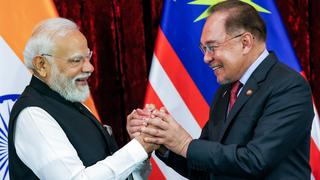
During Narendra Modi’s visit to Malaysia, New Delhi and Kuala Lumpur reaffirmed plans to scale up commercial and strategic cooperation, positioning the relationship as a hedge against global supply-chain shocks.
Leaders highlighted semiconductors, defence, food security, healthcare, tourism and broader trade as priority lanes, and oversaw a package of 11 cooperation agreements, signalling intent to move from dialogue to project execution.
Economically, the focus is on lifting bilateral trade beyond 2025’s $18.6 billion and expanding local-currency settlement to lower transaction costs and FX risk. The push could support investment flows, diversify sourcing for critical components, and deepen regional integration for Indian exporters.
|
|
|
|
|
|
|
|
|
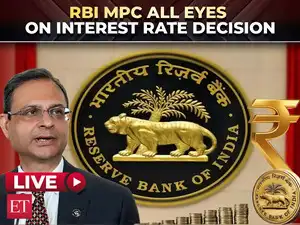
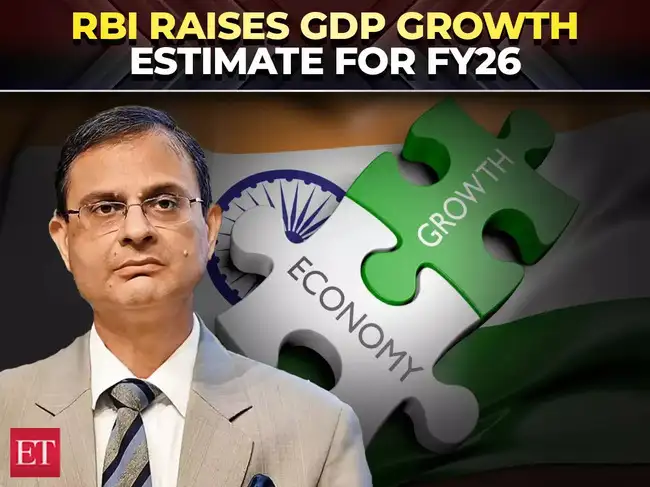
Reserve Bank of India held the repo rate at 5.25% and retained a neutral stance, signalling policy continuity rather than an immediate pivot to easing.
The central bank cited a more supportive growth backdrop—helped by higher government spending and improving trade momentum—while also flagging global uncertainty and financial-market volatility.
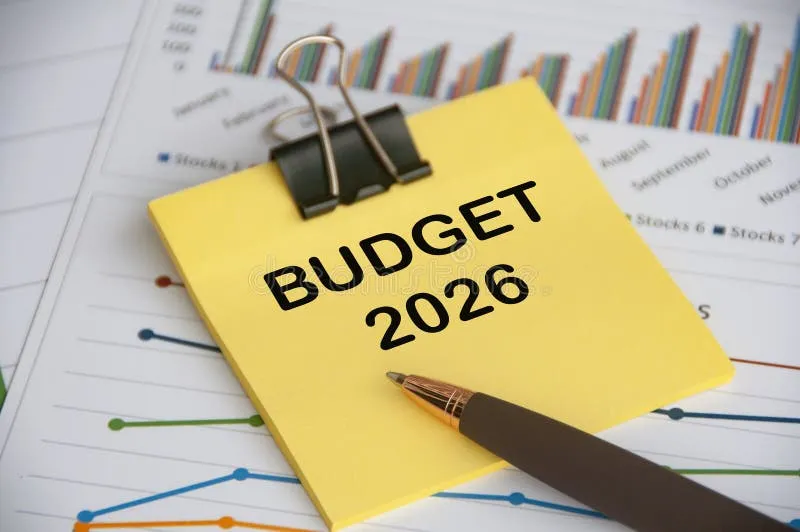
For the economy, steady rates preserve predictability for borrowers and investors, but the upward tweaks to growth and inflation projections suggest policymakers are watching demand and price pressures closely. Markets will now focus on incoming inflation prints and liquidity conditions to gauge when the stance could shift from ‘hold’ to ‘cut’. Finance minister Nirmala Sitharaman has framed Budget 2026 around a six-point roadmap that prioritises manufacturing, revival of legacy industries, stronger MSMEs and a renewed push to build infrastructure at scale.
The plan also stresses long-term security and stability and the creation of city economic regions as growth engines, signalling a shift toward cluster-based urban productivity rather than dispersed spending.
For the economy, the six-part framing is meant to align investment, jobs and resilience: stronger supply capacity and logistics can ease inflation constraints and lift competitiveness. The challenge will be rapid execution, regulatory clarity and mobilising private capital alongside public outlays.
|
|
|
|
|
|
|
|
|
India’s public sector banks are on track to cross ₹2 lakh crore in combined profits in FY26, according to M Nagaraju, extending a multi-year turnaround in state-owned lenders.
Officials attributed the outlook to robust credit and deposit growth, stronger balance sheets and improved asset quality, suggesting that the clean-up cycle has translated into sustained earnings capacity.
For the economy, healthier PSU banks can support investment by expanding credit to households and firms without reigniting systemic stress. The key macro signal is that banking-sector risk premia may stay contained, which can lower the cost of capital—provided credit growth remains aligned with underwriting discipline and capital buffers.
|
|
|
|
|
|
|
|
|
Listed corporates in India are accelerating investment: fixed assets (a capex proxy) for 702 non-BFSI, non-oil-and-gas firms rose 13.1% year on year in April–September 2025, the fastest pace in six years.
The upswing is concentrated in capital-heavy industries—cement, power, infrastructure, metals and autos—with big additions at Grasim Industries, Adani Enterprises and NTPC, plus acquisitions that lifted asset bases at UltraTech Cement and others.
Including oil and gas pushes fixed-asset growth to 20%, led by Reliance Industries, signalling stronger private capex momentum for the economy.
|
|
|
|
|
|
|
|
|
The central bank has rolled out a broad set of regulatory measures aimed at safer, simpler banking, with a particular emphasis on customer protection and stronger safeguards against digital fraud.
It also signalled a push to widen credit access—especially for MSMEs—while easing selected compliance frictions for NBFCs and urban co-operative banks. Banks will be permitted to lend to REITs, subject to prudential safeguards.
The economic takeaway is incremental efficiency: tighter fraud controls can protect household balance sheets, while easier intermediation and clearer rules may lower transaction costs and support credit flow to productive sectors. The impact will hinge on how quickly banks and intermediaries translate the guidance into products, processes and faster grievance redress.
|
|
|
|
|
|
|
|
|
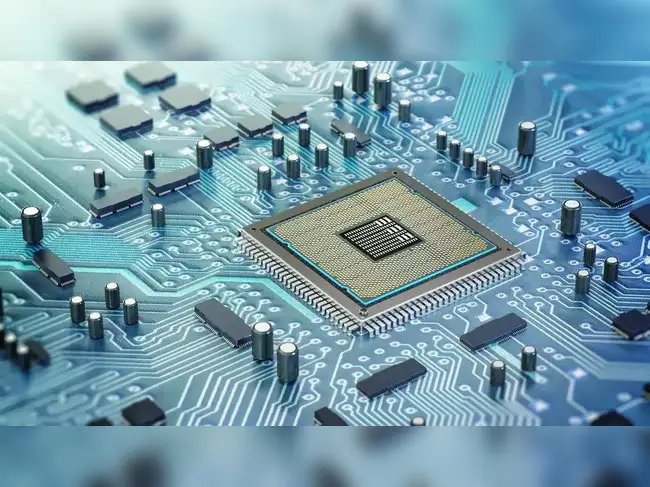
Seven startup chip designs supported by India’s Design-Linked Incentive (DLI) programme have been successfully fabricated, including a 12-nanometre chip made at TSMC, the government said in Parliament.
The development signals that India’s semiconductor push is beginning to generate tangible, testable silicon—an important step from design funding to commercialisable hardware, even if large-scale manufacturing is still offshore.
Economically, credible tape-outs can attract venture capital, deepen the domestic IP ecosystem and support higher-value electronics exports over time. The near-term payoff depends on whether these designs scale into products and whether India can pair design momentum with reliable packaging, supply-chain and fabrication investments at home.
|
|
|
|
|
|
|
|
|
India has outlined a ₹10,000-crore “Biopharma Manufacturing Shakti” push to strengthen supply-chain security in biologics and cut reliance on Chinese inputs. The programme is meant to steer investment into domestic bioprocessing capacity.
The strategy is timed to a global ‘patent cliff’ for blockbuster drugs, aiming to position Indian firms as large-scale producers of biosimilars and next-generation biologics as innovators lose exclusivity.
For the economy, the upside is higher-value pharmaceutical exports, better resilience against import shocks and a deeper domestic manufacturing base beyond small-molecule generics. Execution risks include technology intensity, long validation cycles and the need for consistent quality and regulatory compliance to win global market share.
|
|
|
|
|
|
|
|
|
The government will set up a joint panel involving the Central Board of Direct Taxes to align tax-computation rules more closely with accounting standards.
The stated aim is to reduce compliance load for companies and to narrow interpretational gaps that often trigger disputes, audits and litigation when accounting and tax treatments diverge.
For the economy, harmonisation can improve ease of doing business by lowering time and legal costs, freeing management bandwidth for investment decisions. If implemented well, it could also make financial reporting and tax outcomes more predictable—supporting capital formation—while preserving revenue integrity through clearer, more consistent rules.
|
|
|
|
|
|
|
|
|
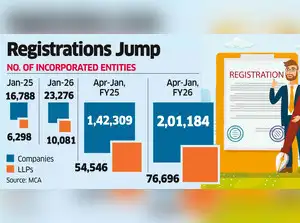
Monthly registrations of limited liability partnerships (LLPs) crossed 10,000 for the first time in January, with 10,081 new LLPs—about 60% higher than a year earlier.
Company incorporations also rose sharply to 23,276, up nearly 39% year-on-year, suggesting improved risk appetite among entrepreneurs and professionals amid a strong services outlook and a brightening manufacturing narrative.
From a macro lens, rising formal registrations are a leading indicator for job creation and tax-base widening, and can precede stronger credit demand. Policymakers will watch whether this momentum converts into sustained investment and export capacity as recent trade deals lift confidence and market access prospects.
|
|
|
|
|
|
|
|
|
India has proposed tighter tax and reporting rules for foreign digital firms by sharpening the definition of “significant economic presence” to better capture offshore platforms’ activity in the domestic market.
The plan also mandates localised electronic record-keeping for professionals, and formally brings the central bank digital currency (CBDC) into the income-tax framework under rules aligned with the Income Tax Act, 2025.
Economically, the measures aim to broaden the tax net and reduce arbitrage between resident and non-resident digital businesses, improving fairness and compliance. The trade-off is higher compliance overhead and potential disputes over nexus thresholds, so clarity and predictable enforcement will matter for investment sentiment in the digital and cloud ecosystem.
|
|
|
|
|
|
|
|
|
The technology converts coal-bed methane from mines into a cleaner vehicle fuel by enriching it with hydrogen, producing “H-CBM” designed to run in unmodified CNG cars.
Coal-bed methane is first purified to isolate methane. A fraction of methane is cracked to generate hydrogen, which is blended back into the methane stream to raise calorific value; the cracking step also produces carbon nanotubes as a co-product.
By capturing methane that would otherwise vent during mining, the approach targets a high-impact greenhouse gas while improving fuel efficiency versus CNG. Researchers have demonstrated a car operating on hydrogen-enriched coal-bed-methane and frame the method as a green-mining pathway supported by nanotube economics.
|
|
|
|
|
|
|
|
|
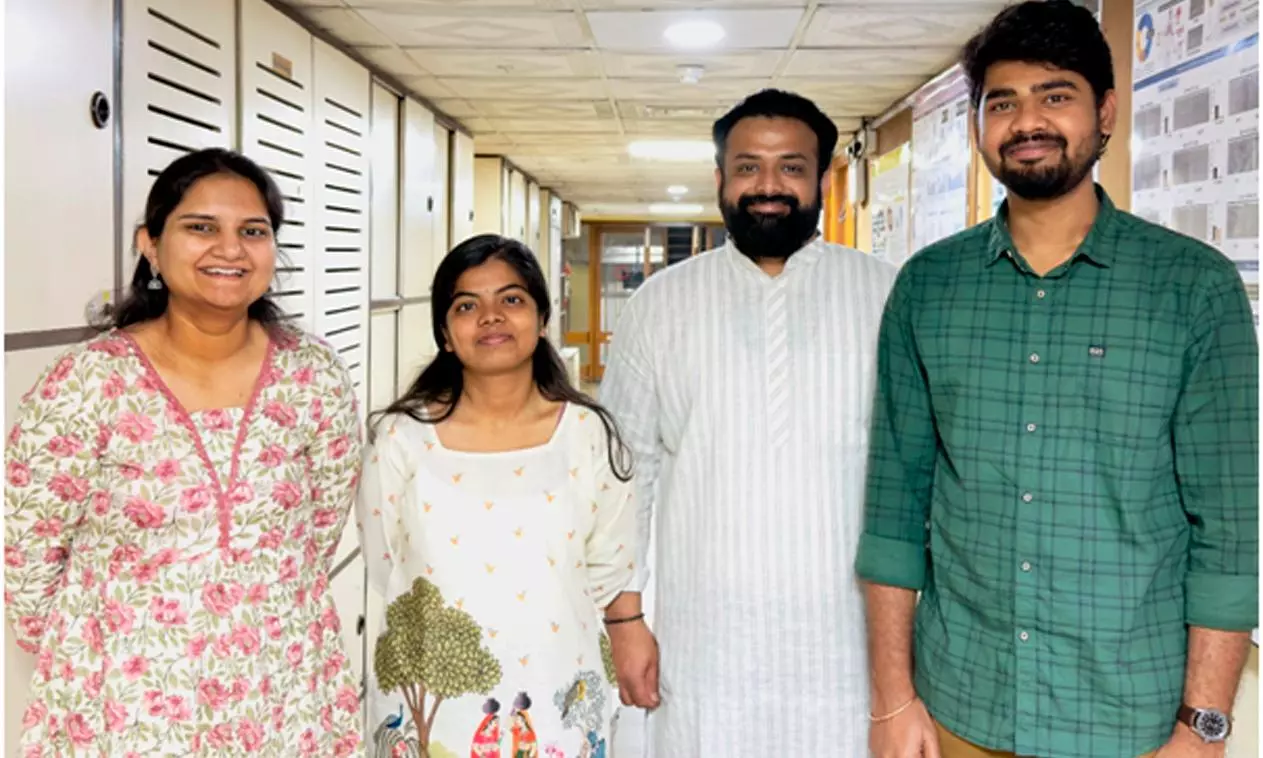
A cell-harvesting protocol from the institute aims to improve recovery of lab-grown T cells, a bottleneck for therapies such as CAR-T that require reinfusing viable immune cells.
The team cultured Jurkat T cells within electrospun polycaprolactone fibre scaffolds. They observed cells lodge between fibres and that trypsin-based detachment increases cell death. Replacing trypsin with the milder enzyme accutase improved post-recovery survival and preserved activation-linked behaviours, including cluster formation and continued proliferation.
Higher-yield, gentler recovery can reduce manufacturing losses and standardise scaffold-based cell expansion workflows. The findings, reported in Biomaterials Science, are positioned as a process improvement step to help labs scale advanced T-cell therapies more reliably.
|
|
|
|
|
|
|
|
|
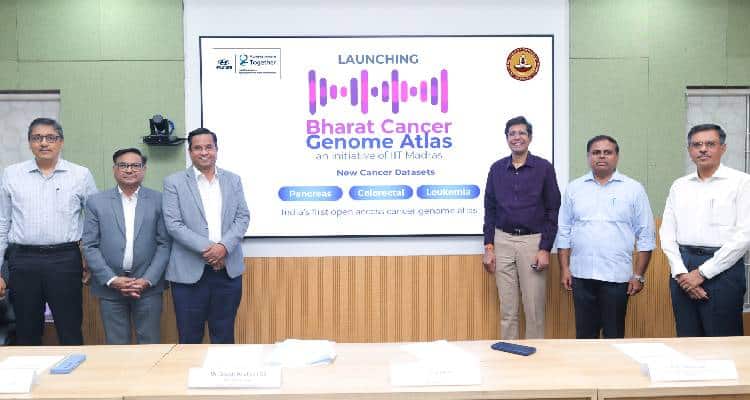
The institute has released a public cancer genome database to accelerate India-specific diagnostics and personalised therapies for paediatric leukaemia, colorectal cancer, and pancreatic cancer.
The Bharat Cancer Genome Atlas provides anonymised whole-genome sequencing data from Indian patient samples via an online portal. By cataloguing population-linked variants that are underrepresented in global datasets, the resource supports biomarker discovery, variant classification, and links between mutations, disease progression, and treatment outcomes.
The programme positions India to build locally relevant diagnostic kits and drug pipelines while enabling global researchers to study Indian cancer genomics. The first release is backed by Hyundai Motor India Foundation support and clinical collaborations, with expansion planned through additional sequencing and curation.
|
|
|
|
|
|
|
|
|
The partners are developing recyclable paper mailers from agricultural residues, aiming to replace plastic and reduce reliance on virgin wood pulp while tackling stubble burning.
In lab-scale processing, crop waste such as wheat straw and bagasse is digested to produce pulp, then washed and screened before pressing and drying into paper. The programme targets lightweight but strong mailers designed to be recyclable and home-compostable using non-wood fibre streams.
The collaboration runs as a 15-month R&D phase, with industrial trials, validation and commercialisation planned if tests succeed. At scale, the approach could create a residue market for farmers and cut air pollution from open-field burning.
|
|
|
|
|
|
|
|
|
Researchers have identified a metabolic trigger that helps fungi shift from a harmless yeast form to an invasive filamentous form linked to severe infections.
The work connects rapid sugar breakdown to production of sulphur-containing amino acids that act as a switch for morphogenesis. In lab experiments, slowing sugar metabolism kept fungi in the yeast state, while adding sulphur amino acids restored shape-shifting. In Candida albicans, disrupting sugar metabolism reduced immune evasion and produced milder infections in mouse studies.
The result points to antifungal strategies that target metabolism rather than only genetic regulators of virulence. Such interventions could reduce invasiveness and potentially limit resistance by depriving pathogens of the energy chemistry required to remodel morphology.
|
|
|
|
|
|
|
|
|
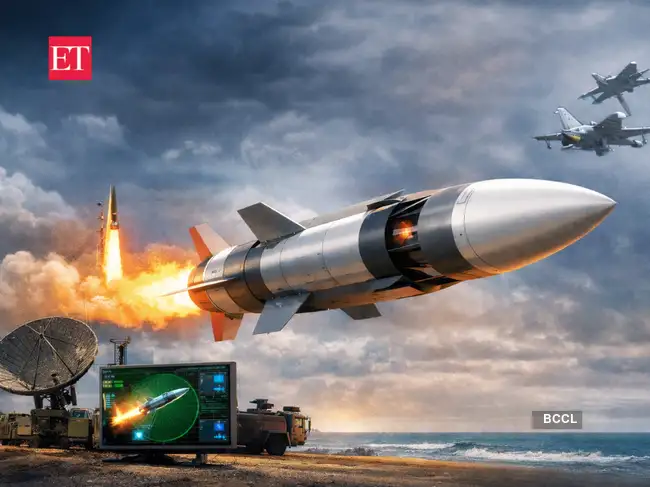
The agency has demonstrated Solid Fuel Ducted Ramjet (SFDR) propulsion, enabling longer-range air-to-air missiles and expanding India’s beyond-visual-range engagement envelope.
SFDR pairs a solid-fuel combustor with a ducted ramjet that ingests atmospheric oxygen, avoiding the mass penalty of carrying an onboard oxidiser. After an initial boost to the required Mach number, a solid-fuel sustainer continues combustion while a fuel-flow controller and hot-gas valve regulate thrust across altitude and speed to sustain supersonic flight and manoeuvrability.
The test at Integrated Test Range, Chandipur validated key indigenous subsystems and places India in a small group with this capability. SFDR is expected to feed future long-range air-to-air and potentially surface-to-air missile programmes, strengthening domestic design autonomy.
|
|
|
|
|
|
|
|
|
The space agency says it is developing reusable launch vehicle (RLV) technology to make access to space more cost-effective, marking reusability as a priority for future launch services.
The programme is at an experimental stage, focusing on technologies required to recover and re-fly vehicle elements. RLV development typically combines precision guidance, thermal protection for re-entry, and landing or recovery systems, alongside refurbishment processes that keep turnaround times low without compromising structural integrity.
In parallel, the agency reiterated a targeted 2027 crewed Gaganyaan flight preceded by three uncrewed missions. Leadership also said it does not view private global providers as direct competitors, while flight-review committees analyse recent mission performance data.
|
|
|
|
|
|
|
|
|
A Gurugram bioscience startup, Absolute, has produced lab-grown “bio-leather” sheets—demonstrated as a snakeskin-textured shoe—aiming to replace animal hides without petrochemical synthetics. The company says its platform can also generate bio-based inputs for agriculture, nutrition and longevity, positioning materials as one of three initial market pillars.
Technically, selected microbial cultures are fed in controlled fermentation until they assemble into dense sheets, then finished using leather-like treatment steps to achieve durability and feel. Its “Nature Intelligence Platform” catalogs traits from 50,000 biological ingredients and applies targeted genetic edits to tune performance.
Absolute has first commercialised its biology through Inera-branded biofertilisers and biopesticides, reporting $15–20 million revenue in about 15 months, and is now pushing bio-leather toward global, China-plus-one supply chains.
|
|
|
|
|
|
|
|
|
Indian corporates are increasingly hiring doctoral graduates into high-end R&D roles, signalling a shift from the traditional pathway of PhD talent moving mainly into academic and teaching positions.
The change is being driven by institutes strengthening in-house research infrastructure and industry-facing projects, enabling deeper, longer-horizon work in core engineering and emerging tech. Reports describe broader recruiter participation across manufacturing, semiconductors, digital and applied research, with some placements occurring through specialised supervisor-led channels rather than standard campus routes.
Strategically, the trend suggests companies are internalising innovation capability instead of outsourcing advanced development. Institutes are also reporting record packages and more overseas offers for doctoral candidates, indicating a tighter link between research output and product roadmaps.
|
|
|
|
|
 |
|
|
|
|
|
|
|
|
|
|
- Kindly add the email address masscomm@lubindia.com to your contact list or whitelist it for the newsletter.
|
|
|
|
|
|
|
|
|
|
|
|
)

)




)