|
|
|
|
Weekly Insights for Entrepreneurs
|
|
|
|
|
| Year: 2025-26 |
Tuesday 02nd December, 2025 |
Volume/Issue: 104 |
|
|
|
|
● FY26 Outlook: 7.6% GDP Growth & Record Surge in MSME Credit
|
●Stronger MSME Support: Bigger Credit Guarantees, PM Vishwakarma & Easier Compliance
|
● MSME TEAM Initiative: ONDC Onboarding & E-commerce Push for 5 Lakh MSEs
|
● ‘Indrajaal’ Anti-Drone Vehicle: AI-Enabled System to Detect & Hijack Hostile UAVs
|
● Agnikul Cosmos Milestone: World’s First Rocket With Fully 3D-Printed Engine
|
|
| |
|
|
● 50+ Trade Pacts in the Pipeline: India Deepens Global Market Access
|
● Regulatory Reset: NITI Aayog Panel Calls for Scrapping Licences, NOCs & Inspector Raj
|
● Safran–India Fighter Engine Deal: Full Technology Transfer for AMCA Jet Programme
|
● Food Services Boom:India’s Market Set to Top $125 Bn by 2030
|
● RBI’s 244 Master Directions:9,000 Circulars Consolidated to Cut Compliance Burden
|
|
| |
|
|
● IIT Madras Road Dust Cleaner: Low-Cost Solution to Cut Pollution & Protect Sweepers
|
● Tetrapod Nanoparticles: New Route to Easier, Less Energy-Intensive Plastic Processing
|
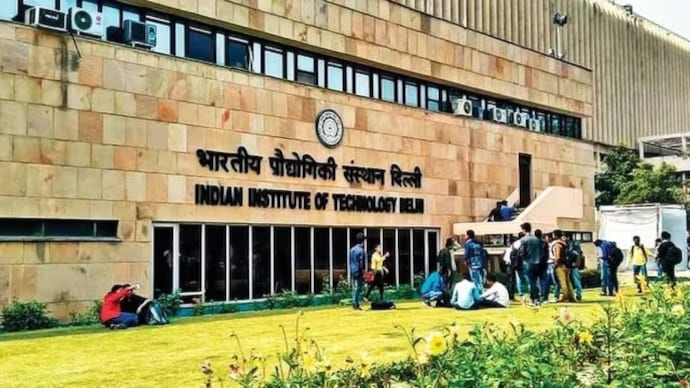
● IIT Delhi Smart Detergent: Mosquito-Repellent Fabrics to Fight Vector-Borne Diseases
|
● Indigenous VTMS for Ports: IIT Madras Boosts India’s Maritime Tech Autonomy
|
● IIT Guwahati Epoxy Coating: Advanced Protection for Steel in Seawater Environments
|
|
| |
|
|
|
|
|
|
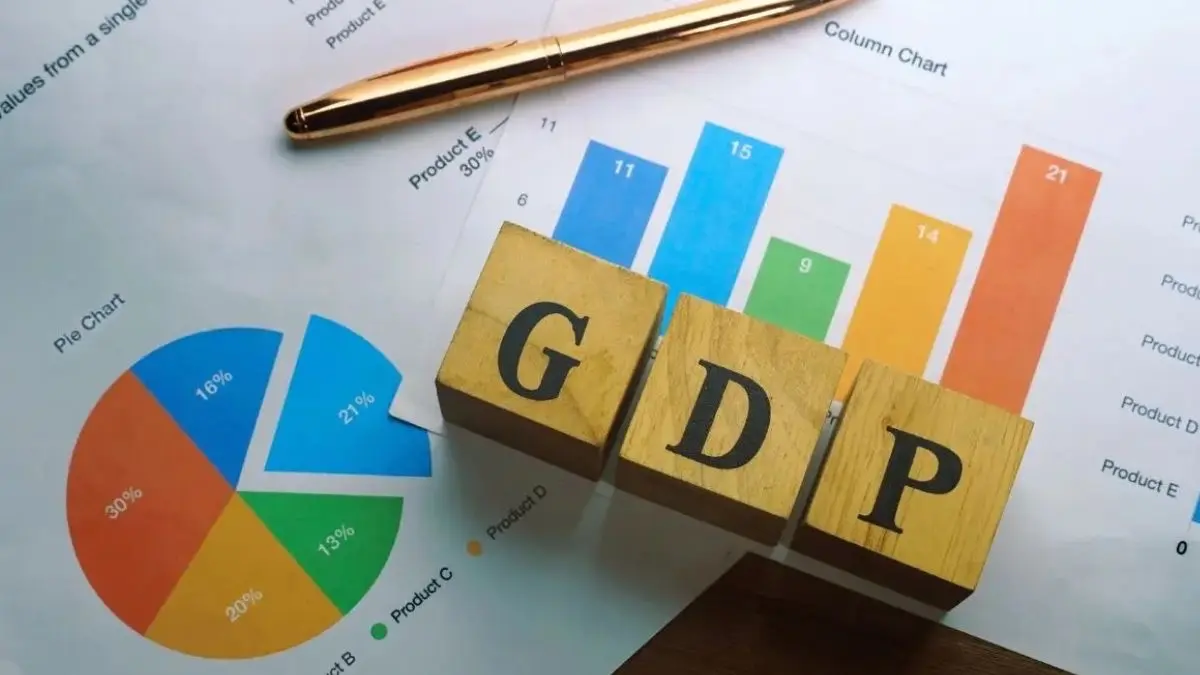
India's economy expanded 8.2 per cent in Q2 FY26, the highest in six quarters, backed by strong growth in manufacturing, construction, and services.
Surge in MSME credit growth: Between FY2009 and FY2025, incremental MSME credit stood at Rs 19.87 lakh crore an annual average of Rs 1.17 lakh crore. In just the first seven months of FY26, this figure has already reached Rs 3.74 lakh crore.
Extrapolating current trends, FY26 could see incremental MSME credit of Rs 6.4 lakh crore, roughly 5.5 times higher than the 16-year average.
With 7.6 per cent real GDP growth for FY26, our GDP is likely to cross USD 4 trillion by March'26 and for FY27 GDP is expected to be around USD 4.4 trillion. Thus, India is on the right track to reach USD 5 trillion by March'29.
|
|
|
|
|
|
|
|
|
The Ministry of MSME has rolled out a suite of strengthened measures to support the MSME sector through enhanced credit access, easier regulations and new digital tools.
Key steps include: an additional ₹9,000 crore infusion into the CGTMSE, raising the loan guarantee ceiling to ₹10 crore per enterprise (with up to 90% coverage). The government is also aiding artisans via PM Vishwakarma Scheme, offering interest-subsidised loans up to ₹3 lakh, and backing new and rural micro-enterprises through the Prime Minister's Employment Generation Programme.
Other reforms target ease of doing business: digital registration via the Udyam Registration Portal, reduced compliance requirements, streamlined dispute resolution through a new Online Dispute Resolution (ODR) platform, and support for technology adoption and digital payments.
|
|
|
|
|
|
|
|
|
The MSME Trade Enablement and Marketing (TEAM) Initiative — a sub-scheme under RAMP — is helping MSEs onboard to ONDC, the national digital-commerce network, enabling them to access e-commerce without building their own platforms. The scheme plans to benefit 5 lakh MSEs — half of them women-owned.
Under the initiative, participating enterprises get ready-made online storefronts, integrated payment and logistics support, and help with digital onboarding, cataloguing and account management — reducing the burden of setting up e-commerce infrastructure themselves.
Additionally, facilitating capacity-building workshops and support for MSMEs, this ensuring they can readily use and benefit from e-commerce and digital market opportunities.
This effort aims to formalize small businesses, broaden their market reach, and accelerate their entry into digital commerce.
|
|
|
|
|
|
|
|
|
A Hyderabad-based startup has unveiled an AI-enabled anti-drone patrol vehicle, capable of detecting and neutralizing drones on the move. The system, which has reportedly intercepted 40 drones during trials, highlights the urgent need for a central drone registry in India to effectively manage aerial threats and distinguish between friendly and hostile aircraft.
It can detect any drone in a 10 km radius. So, it can be stationed away from a village or an area and detect drone action without raising any suspicion. Its mitigation range is four km. It can cyber takeover any drone in the range and land it next to the vehicle. It works on 60% of drones.
In cases where a cyber takeover is not possible, the vehicle can soft kill it within a 3-km range so that a retriever drone can be sent to pick it up, or an interceptor drone can be sent to follow or kill it within a 2 km range.
|
|
|
|
|
|
|
|
|
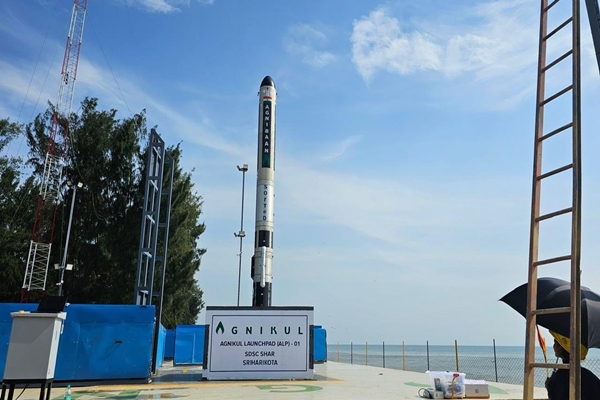
The rocket Agnibaan SOrTeD (SubOrbital Technological Demonstrator) is also India’s first semi-cryogenic engine-powered rocket launch that was completely designed and manufactured indigenously. It was also launched from India’s first privately developed launchpad called ‘Dhanush’ established by Agnikul at Sriharikota in Andhra Pradesh at 7.15 a.m. today.
The test flight aims to demonstrate in-house and homegrown technologies, gather crucial flight data, and ensure the optimal functioning of systems for Agnikul’s orbital launch vehicle, the ‘Agniba'.
Agnibaan is a two-stage rocket with a capacity to carry up to 300 kg to a height of 700 km. The rocket engines are powered by liquid oxygen or kerosene.
|
|
|
|
|
|
|
|
|
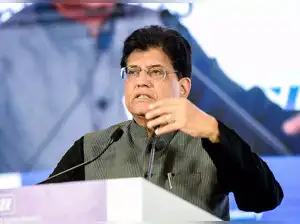
“We've all seen the importance of having trusted partners around the world to work with... countries who believe in fair trade and equal opportunity on both sides, ” he said.
“The Gulf Cooperation Council also is now talking that the whole six-nation group would like to engage,” he said.
A fourth round of negotiations for the India-New Zealand Free Trade Agreement (FTA) concluded earlier this month.
He also announced a review of the FTAs with the Association of Southeast Asian Nations.
The minister announced that India and Canada are looking at a comprehensive economic partnership agreement and that “conversations around that are expected to kick-start next week”.
|
|
|
|
|
|
|
|
|
A high-level NITI Aayog panel led by Rajiv Gauba has proposed a sweeping reset of India’s regulatory regime. It urges scrapping most licences, permits and NOCs, ending “inspector raj” and shifting routine inspections to accredited third parties under a risk-based, computer-driven system.
Prior approvals would remain only for activities affecting national security, serious public safety, health, environment or major public interest. The panel backs self-registration, near-perpetual licences, and time-bound alignment of all rules with these principles.
It also seeks fixed calendars for regulatory changes, regulatory impact assessments for all major rules, and decriminalisation of minor, technical offences to significantly improve ease of doing business.
|
|
|
|
|
|
|
|
|
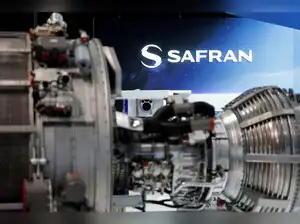
“It's a complete transfer of technologies. We along with the DRDO are basically going to develop a new engine together in India. This is unique because no one else has made that offer,” Olivier Andries, CEO of Safran said.
This 120-140 KN engine will power the twin-engine advanced multi-role aircraft (AMCA), which will be developed and produced by the Indian private sector with the Tata group, L&T and Adani Defence all ready to pitch in for the national effort.
At present, all Indian fighter jets are powered by foreign-origin engines. A significant cost of a fighter goes towards the engine and its maintenance.
|
|
|
|
|
|
|
|
|
The report notes that the organized segment — led by cloud kitchens, QSRs and café chains — will drive over 60% of overall growth in the sector and is expected to overtake the unorganized market.
While rising incomes, digital adoption and growing appetite for convenience will comprise the macro story behind this growth, it is the shape of this growth that is most interesting.
Growth is no longer concentrated in a few metros; dining-out growth beyond top 8 cities is 2x that of top 8 cities, with corporate, industrial, education and tourist hubs leading the charge. GenZ offers high promise, growing 3x of other cohorts in the dining-out segment while demanding innovations like coffee raves and Instagram-worthy locations and menus. The next wave of leadership in food services will come from players who understand these new markets and consumers.
|
|
|
|
|
|
|
|
|
“These 244 MDs consolidate all the regulatory instructions issued to the REs over several decades which are currently administered by Department of Regulation,” Shirish Chandra Murmu, Deputy Governor, RBI said.
According to the RBI, the consolidation exercise marks a “paradigm shift” in regulatory communication.
This exercise, according to RBI, is expected to enhance clarity, ease of access, and reduce compliance burden for REs, thereby supporting the broader objective of improving ease of doing business.
|
|
|
|
|
|
|
|
|
The innovative device is an easy-to-use, inexpensive walk-behind equipment that replaces the brooms and cleans roads more effectively and safely. It can help protect the health of the workers while also maintaining cleaner cities.
The RDC uses a unique cyclone separator system, which collects both fine and coarse dust, storing them in separate bins. Fine dust can even be reused for making products such as earthen pots. It also has a self-adjusting brush, so it works even on uneven and sloping roads. A small battery-powered fan makes the device energy-efficient and eco-friendly. Its light and compact design makes it a perfect fit for narrow streets and busy, congested areas.
IIT Madras has transferred the innovation to Envitran Smart Systems to enable the commercialisation of the technology.
|
|
|
|
|
|
|
|
|
Many synthetic plastics with heavy, long chains become extremely thick when molten—a property scientists call high viscosity—making them difficult and costly to process.
A collaborative study by researchers from three Indian Institutes of Technology (IITs) has found that adding tetrapod-shaped nanoparticles to certain synthetic plastics can significantly reduce their viscosity, making them easier and less energy-intensive to process.
“This study opens a pathway to potentially lower processing energy in the future, if we can mass synthesise precisely shaped sustainable nanoparticles,” said Mr. Chowdhury, who heads the Lab of Soft Interfaces at IIT Bombay and led the research.
|
|
|
|
|
|
|
|
|
Researchers say the science is simple. Mosquitoes can easily pierce through fabric using their proboscis. So the first step is to stop them from landing on the cloth.
Once the detergent is used, the active components bind to the fibres during washing. The chemicals then work on the smell and taste sensors of mosquitoes, making the fabric unpleasant for them.
Each wash regenerates the repellent effect, ensuring consistent performance over time. The detergents are designed to be used like any regular product, without changing daily habits.
IIT Delhi says it is exploring options for wider commercial deployment once testing and regulatory processes move forward.
|
|
|
|
|
|
|
|
|
The indigenous VTMS provides the Government of India with complete strategic control over source code, databases and all aspects of the solution by eliminating risks of leaks of strategically important data related to vessel movements. This breakthrough marks a significant step towards the indigenisation of technology in the maritime sector, reducing dependency on imported systems and foreign vendors.
The system has already been deployed at Vizhinjam International Seaport Limited (VISL), Kerala.
This innovation by IIT Madras is a major boost to India’s strategic capabilities, positioning the nation as a leader in indigenous maritime technology and paving the way for wider deployment across ports nationwide.
|
|
|
|
|
|
|
|
|
The novel nanocomposite has been developed by attaching zinc oxide nanorods to reduced graphene oxide and then wrapping this structure with polyaniline. The composite was then blended into an epoxy coating and evaluated using several characterisation methods.
The developed epoxy coating has shown improved performance compared to standard epoxy. It formed a denser and more uniform barrier, showed stronger adhesion to the steel surface, and slowed the movement of corrosive elements more effectively.
These characteristics make it suitable for applications in marine infrastructure, offshore platforms, shipbuilding, coastal pipelines, and other steel structures that must withstand continuous exposure to saltwater
|
|
|
|
|
 |
|
|
|
|
|
|
|
|
|
|
- Kindly add the email address masscomm@lubindia.com to your contact list or whitelist it for the newsletter.
|
|
|
|
|
|
|
|
|
|
|
|
/smstreet/media/media_files/DxOWt43jdcT94QDCsFEl.jpg)
/smstreet/media/media_files/r39IpbRZQJ92Khp0173c.jpg)